


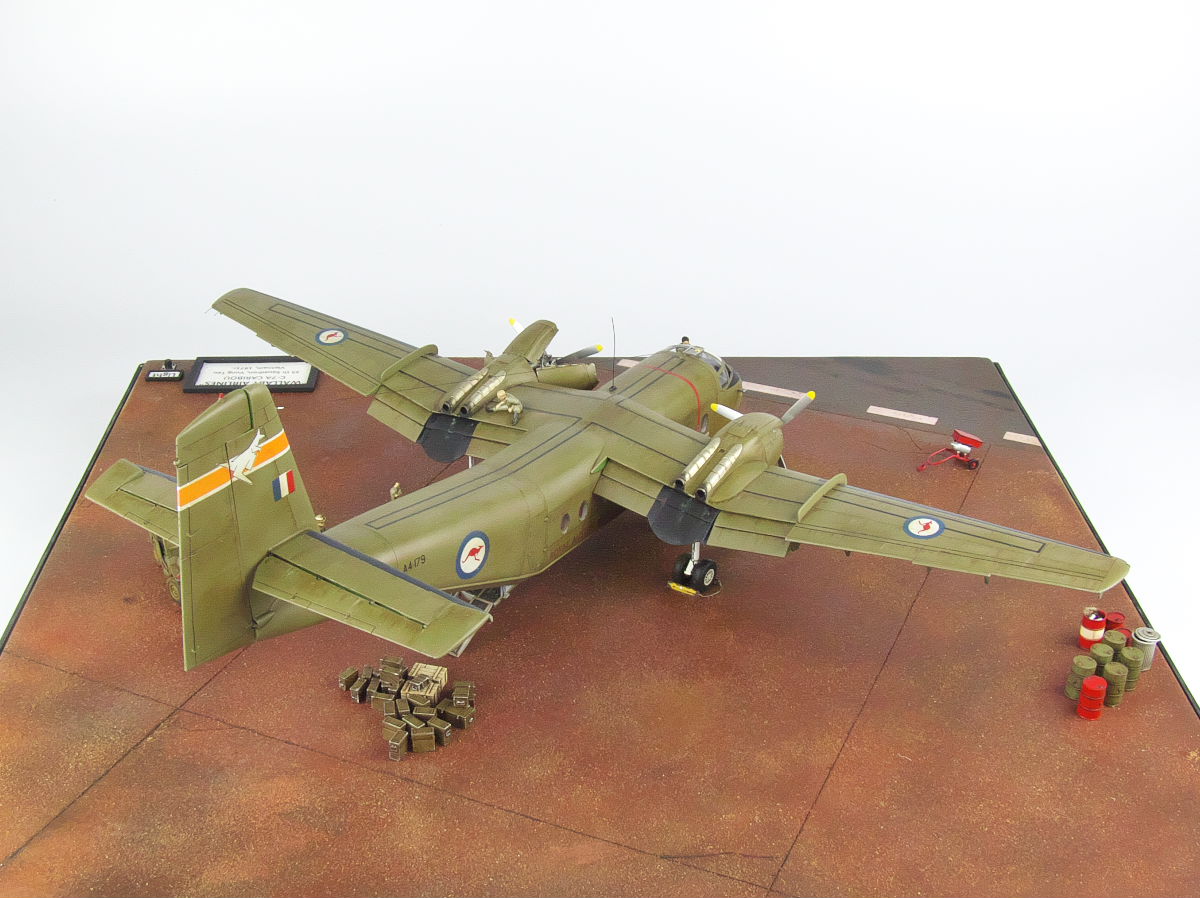
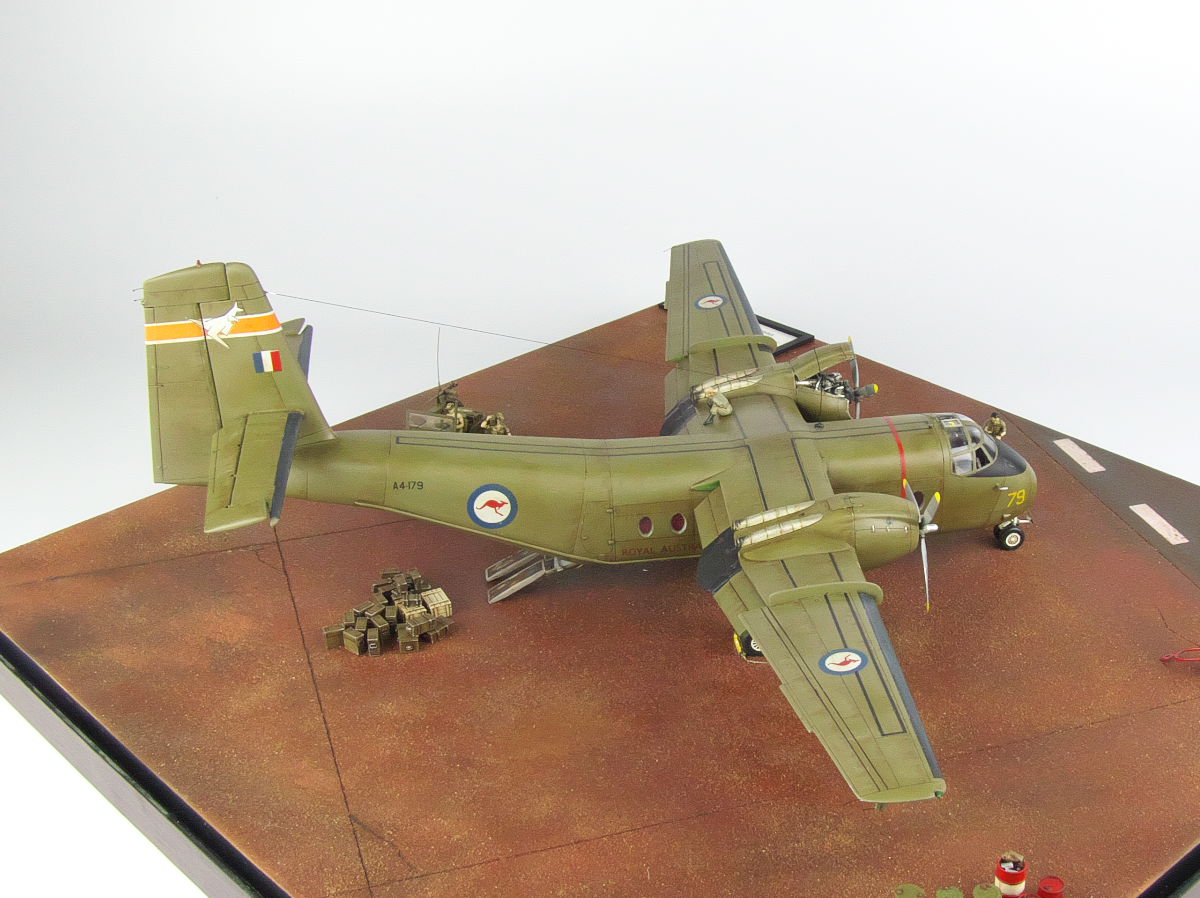
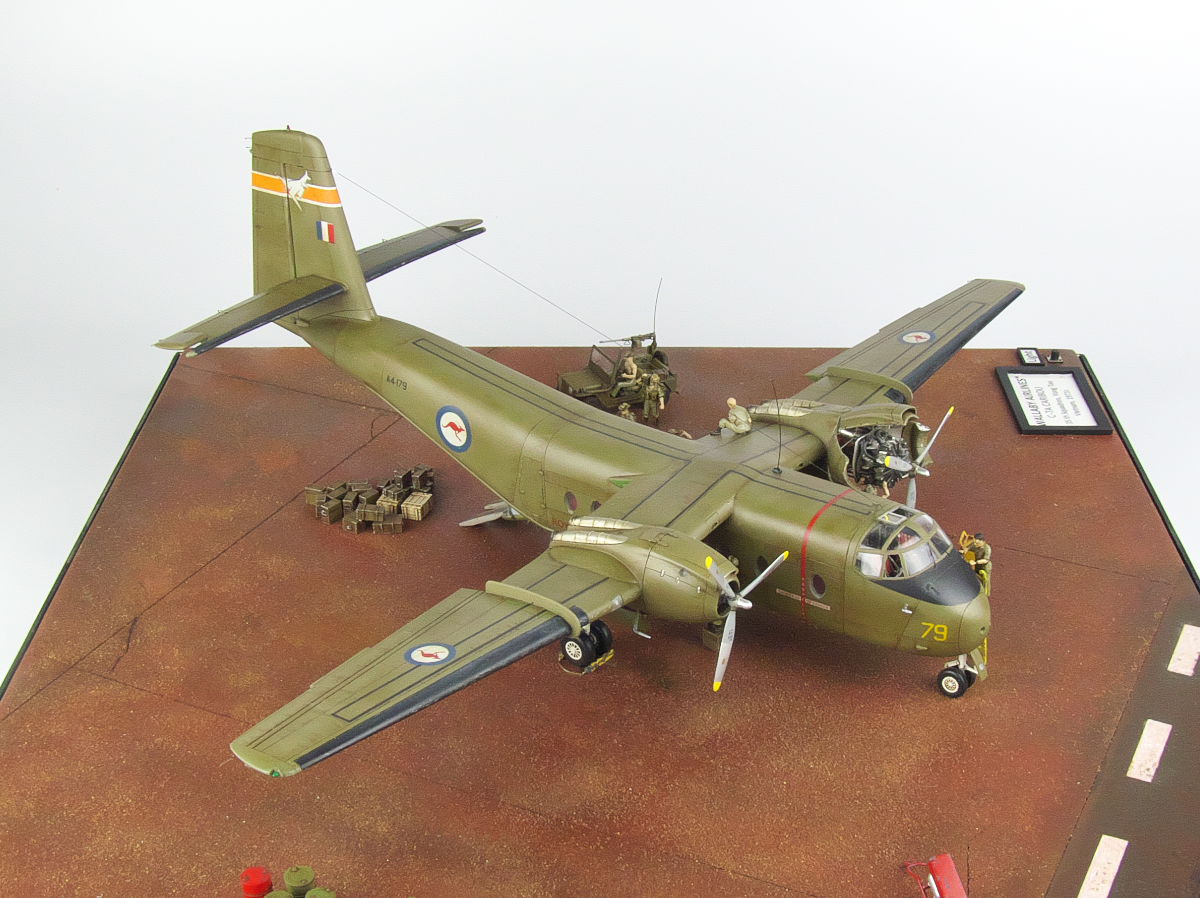
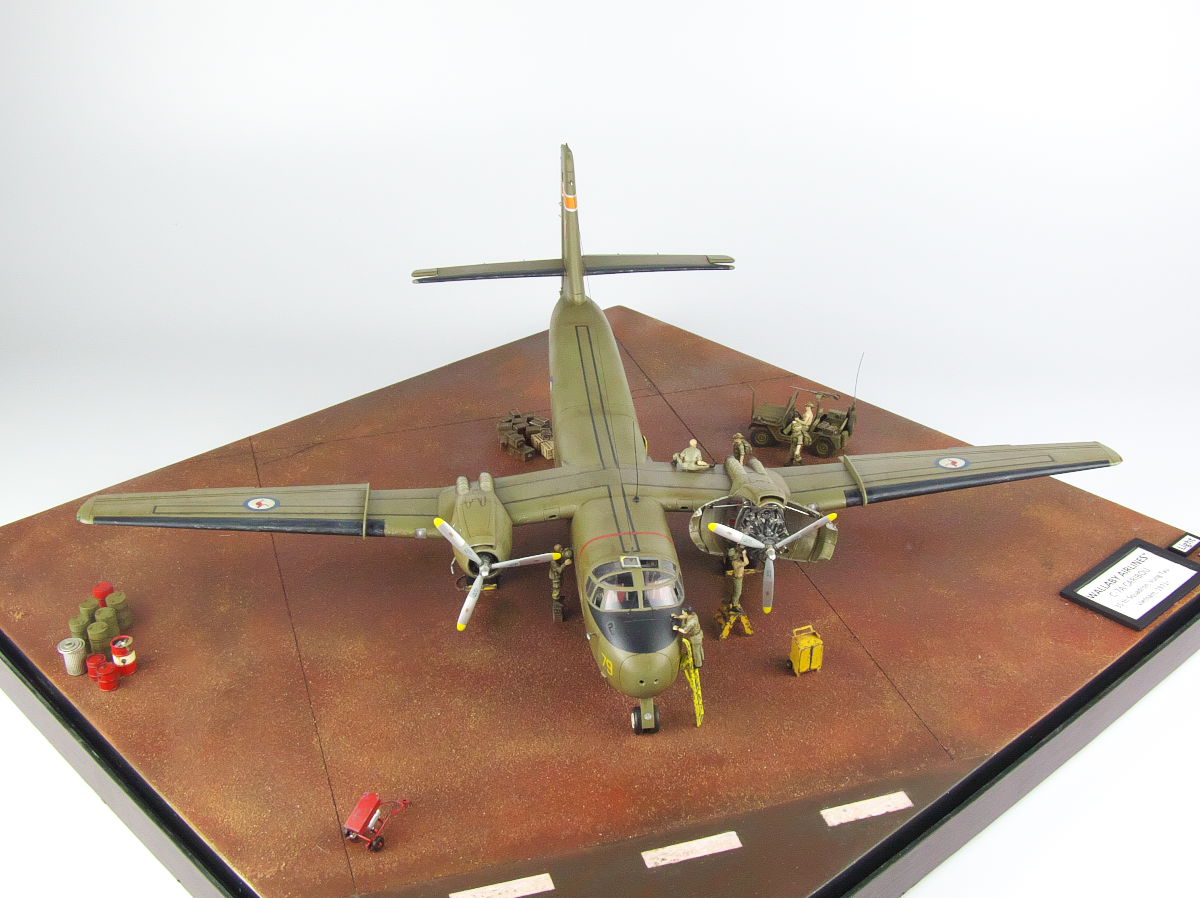


C-7A Caribou Cargo Aircraft Plastic Model
The photos show the plastic model of the C-7A Caribou transport aircraft. The model was built to a 1:72 scale.
The C-7A Caribou was Canadian-made aircraft with the short takeoff and landing capability. Between 1958 and 1968, 307 copies of this airplane were produced.
The aircraft, the plastic model of which is presented in the photos, belonged to the 35th Australian Transport Squadron. During the Vietnam War, airplanes stationed at the base in Vung Tau in the south of the country. At that time, the squadron was nicknamed "Wallaby Airlines" and carried out passenger, medical and cargo transport.
The plane could carry 32 passengers or almost 4 tons of cargo. For example, the C-7A Caribou could carry 2 Jeeps.
Some technical data:
- Propulsion: 2 x 14-cylinder air-cooled radial piston engines, each with a power of 1,080 kW (1,450 HP),
- Fuel supply: 3,100 l (UK - 682 gal, USA - 819 gal),
- Length: 22.12 m (72.6 ft),
- Wingspan: 29.15 m (95.6 ft),
- Height: 9.68 m (31.8 ft),
- Maximum payload: 3,964 kg (8,739 lb),
- Take-off weight: 12,927 kg (28,500 lb),
- Max speed at 2,000 m: 346 km/h (215 mph),
- Stall speed: 109 km/h (68 mph),
- Ceiling: 7,600 m (24,934 ft),
- Range: 2,104 km (6,903 ft),
- Rate of climb: 6.88 m/s (1,354 ft/min),
- Crew: 3 (2 pilots and loadmaster).
Sources:
- https://en.wikipedia.org/wiki/De_Havilland_Canada_DHC-4_Caribou
- https://en.wikipedia.org/wiki/De_Havilland_Canada_DHC-4_Caribou
8 Mar. 2024
Modeler: Jacek Minich
Photographer: Ender
These photos are available under the Creative Commons Attribution-ShareAlike 4.0 International license. This means that you can use them for free for any purpose, even for commercial purposes, as long as you indicate the author of the photos and the link to the source, i.e. the website address from which they were taken. You must also provide the license name and a link to its terms and conditions.
